
#28 Aging and aspiration

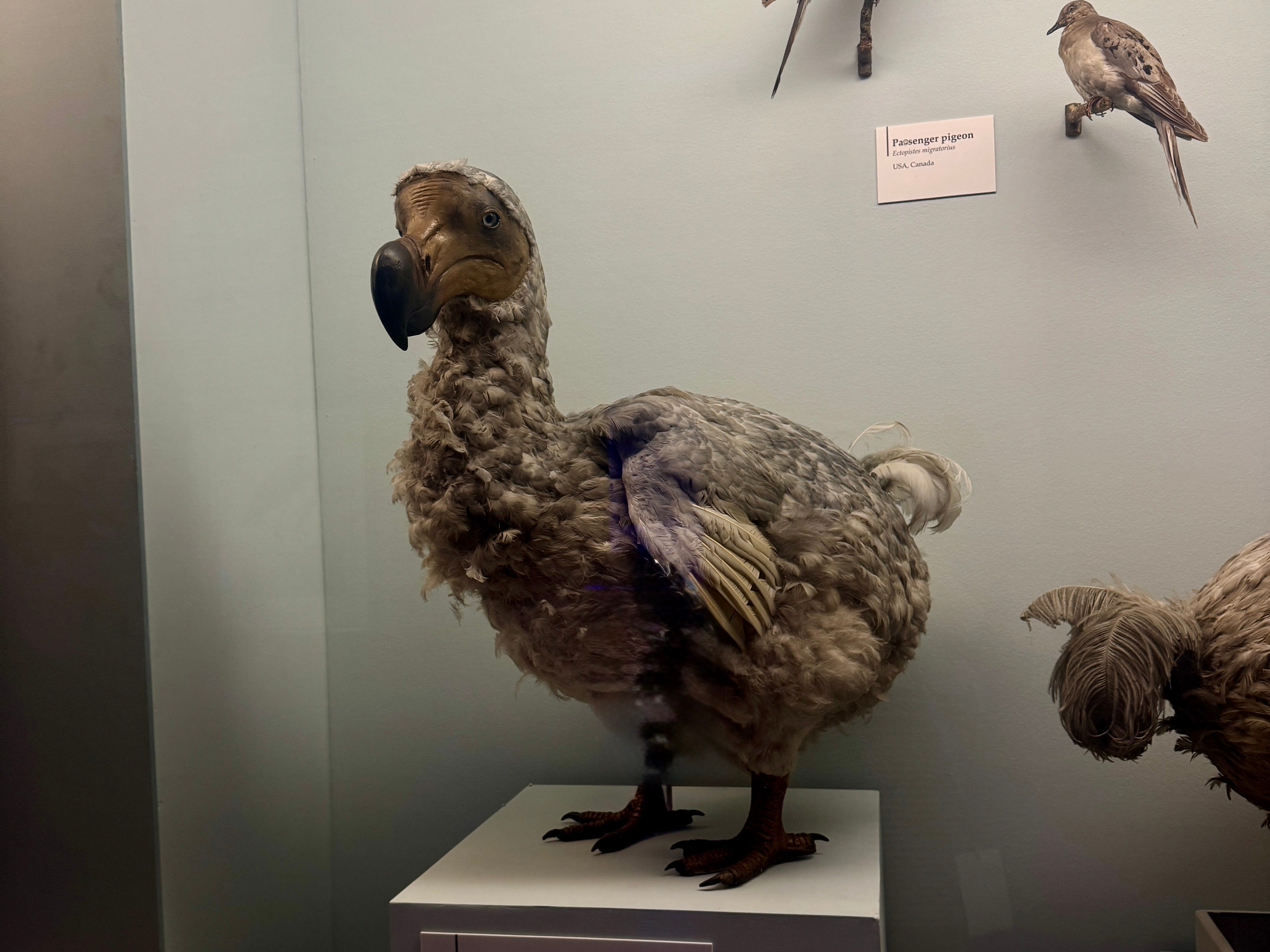
The Wellcome collection has a new exhibition on aging: The Coming of Age (dodo not featured, but it could be).
Reviews have described a renewed sense of the specialness of aging, coming out of the exhibition. I felt, rather, the burden of care. I glimpsed the final film as a series of anecdotes of women working, as unpaid care workers, unable to take on paid work due to their care responsibilities, sharing the burden of care amongst them.
The energy from these women, speaking in the film, was markedly different to the “me”-ness of another film, elsewhere in the show: Bryan Johnson’s attempt at slowing his own biological age.
I don’t really understand the point of slowing your physical age, if your brain is overwhelmed and forgetting, tired from the labour of being alive. And everyone you know, who is slightly less wealthy than you, and so cannot afford the red light pod care, has gone.
Age & forgetting is not confined to humans. On my coffee table is a New Yorker discussing 250 years of US independence. Jill Lepore writes about how, in early drafts of the Declaration of Independence, mentions of the rights of women to inherit property and a thorough critique of slavery were scrubbed out by committee. If they’d been kept, the US legacy understanding of freedom would be very different.
Fast track to the 250th anniversary, and King Charles gave a speech to the US Congress that did its level best to set up some sort of renewed relationship of mutual care and respect with his eyes on posterity, the aftermath of Trump. If nothing else, thinking Hollywood, it sets up Charles as a subject for The King’s Speech II, where a well-timed intervention from a previously unloved monarch (maybe?) stalls WWIII. God love him for trying, and we’ll be seeing Josh O’Conner at the Oscars in 20 years’ time.
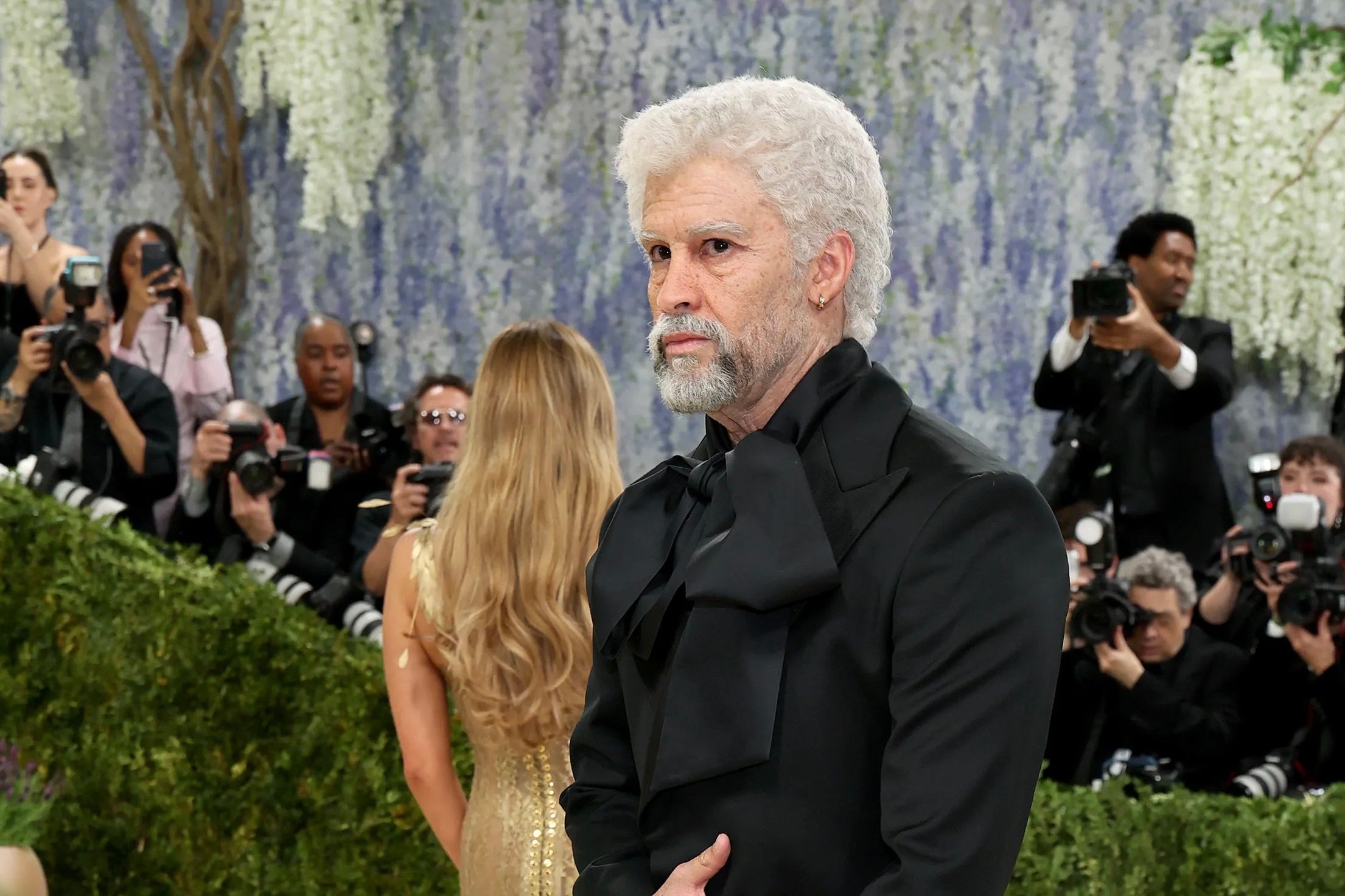
Artificially aged of course, à la Bad Bunny at the Met, because, the way things are going, by then the rich and famous will have reversed time. Jessica De Fino already encourages us to spot instances of non-diegetic beauty, where everyone in period dramas looks about 20, is plastic, and has perfect teeth.
In the future, the Wellcome exhibition suggests, the concept of aging will itself be queer. It will, perhaps, be heteronormative and mass culture to delay the inevitable, inject the peptides, dissociate from knowledge born of experience, to refuse to gain the wisdom of the passing years.
What about the early signs of the pendulum swinging the other way? Older women are gracing the catwalks and editorials, glorious coastal grandmother retirement has become a status symbol. But this is an aspirational status that is finally, definitively out of reach of the rest of us. The privilege of aging well is another hallmark of privilege in general: knowing how to have just enough work done to still be able to raise one arched Miranda Priestly eyebrow in covert surprise, being able to replace one’s whole wardrobe with linen. These grande dames of culture that we see in fashion editorial are perhaps the last truly authentically old. Today’s bright young things won’t look like that in 50 years’ time.
Then - a concern: when it comes to age, climate and legacy, now that conversations of decarbonisation have been replaced by worries of security, one way to convince people to invest in renewables is to think of the future and consider their legacy.
But if and when we succeed in stopping time - the age of our faces, the age of our bodies - and we refuse old age, retirement and run from the unequal burden of care even of our nearest and dearest - does a legacy argument work?
Or does a legacy conversation require people to a priori accept aging and death as a fact of life. How can we stop throwing money individualistically at the idea of “fighting back” against the coming of age and the red light pods of Bryan Johnson, and consider instead using this money to transform both climate and the principal of care?
We should reallocate this money towards resolving the worry, exhaustion and panic that I felt coming from the narratives of the unpaid carers in the Wellcome Collection film.
Instead, we should create a concept of care, that is shared among genders, and extends to the world around us. And if this is currently wrapped in the language of security, with wind turbines folded into a defence budget, well perhaps care has always had an edge of security about it.
Self-care, beauty, aging well. I feel there is a deeper worry still held within in these concepts, a Victorian era fear, that as we age, get wrinkly, and become vulnerable once again, we may not be so well looked after.
To stop this fear, we can, through our actions and aspirations, reassure each other that the threat of disposal once we reach old age is truly not the case. And make it enviable to live in interdependence, and be cared for.

*
I write weekly on substack and am always open to further conversation about the topics I cover and the ideas within. Hit reply and you should reach me.
Did someone forward this to you? Did you enjoy it? Hit subscribe to sign up. It’s free!