
#27 Constable paints in 1:1

I’ve decided to trial publishing my Substack on Fridays. Originally I conceived of my writing as hints and tips for how to get ahead in strategy, so it made sense to share on a Monday morning, to help others start their week well.
I’ve now realised I deal best in snippets and sketches of thought, around coveted objects, places, stories and ideas of desire, still the original mission of this newsletter, but points to muse on (not ways to get ahead) that are perhaps best suited to a Friday cup of coffee.
That being said, if you preferred these reads as an antidote to the Monday hustle, let me know. One friend has already reached out to say he missed reading this blog on Monday as he picked his Oddbox vegetables for the week. So let’s experiment, I can always change back.
I want this week to write about the Turner and Constable exhibition at the Tate Britain, which has now ended but which I loved, and made me consider parallels with social media.
The show was huge, 11 rooms in total, and marketed as a battle for the title of great British landscape painter.
On one side, Turner: the painting prodigy, and Margate gallery namesake. A painterly celebrity, making huge classical scenes. On the other, Constable: a comparatively late starter, who painted the places that made him. Flatford. Dedham Vale. His name, too, given to Constable Country; a firmly establishment figure.
Constable, I’d dismissed as dull, but I came away a bigger fan of his works than the bombast of Turner.
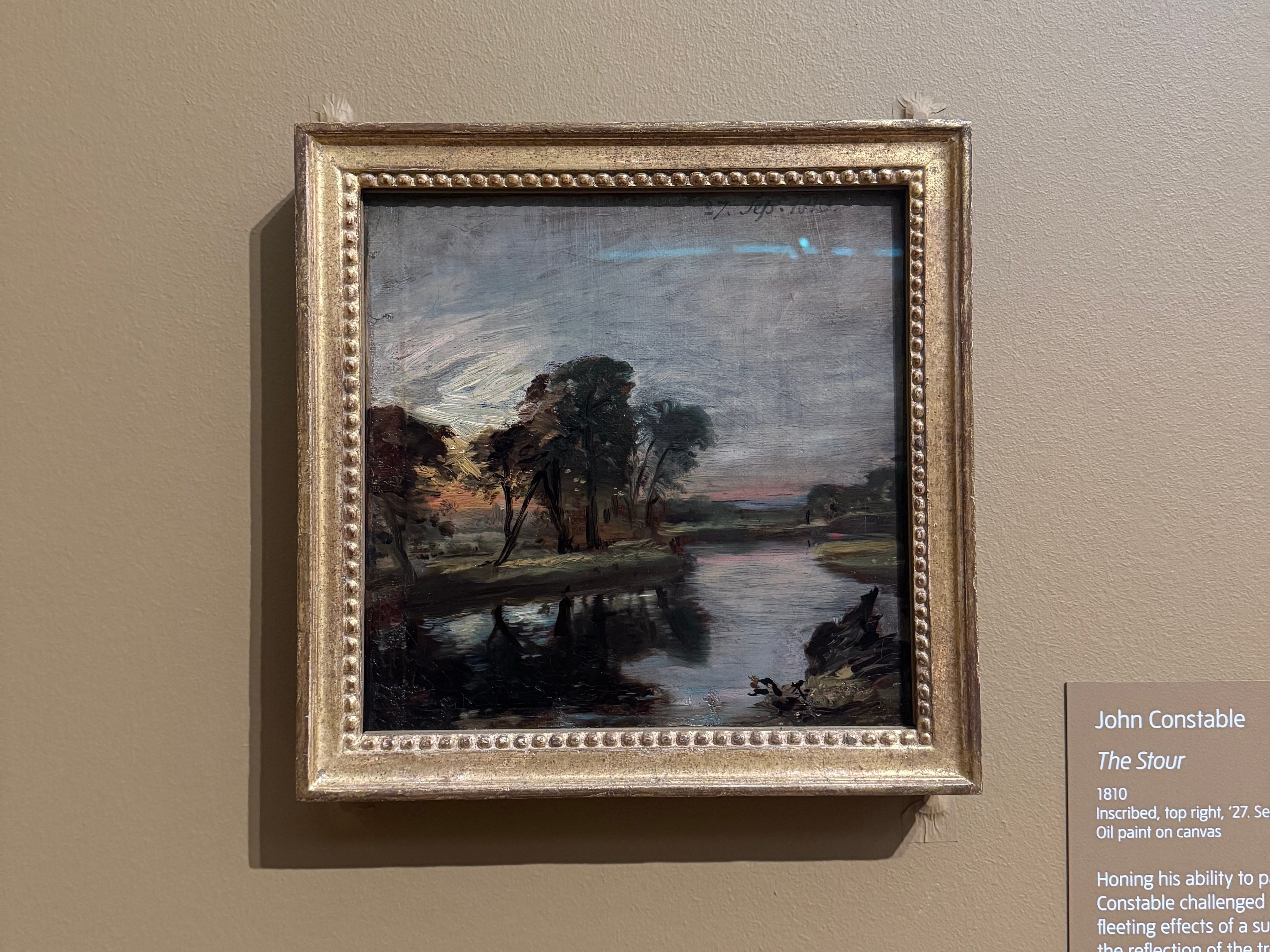
On show at the Tate is the custom paintbox Constable made for working outside, with a deep lid that shelters his artwork from the elements. Sitting with the bees and bugs, he sketched with oil paints, curiously in a 1:1 square.
For a smartphone-wielding audience, any square landscape immediately calls to mind a pre-January 2025 Instagram grid: row upon row of selfies, small plates, still lifes and vistas, neatly arranged for a scroll. And anyone who has tried to create a good image within 1:1 would be struck by Constable’s oil paint squares. The framing is judicious, the colour is vibrant, the contrast is deep. It’s like an expertly applied VSCO filter.
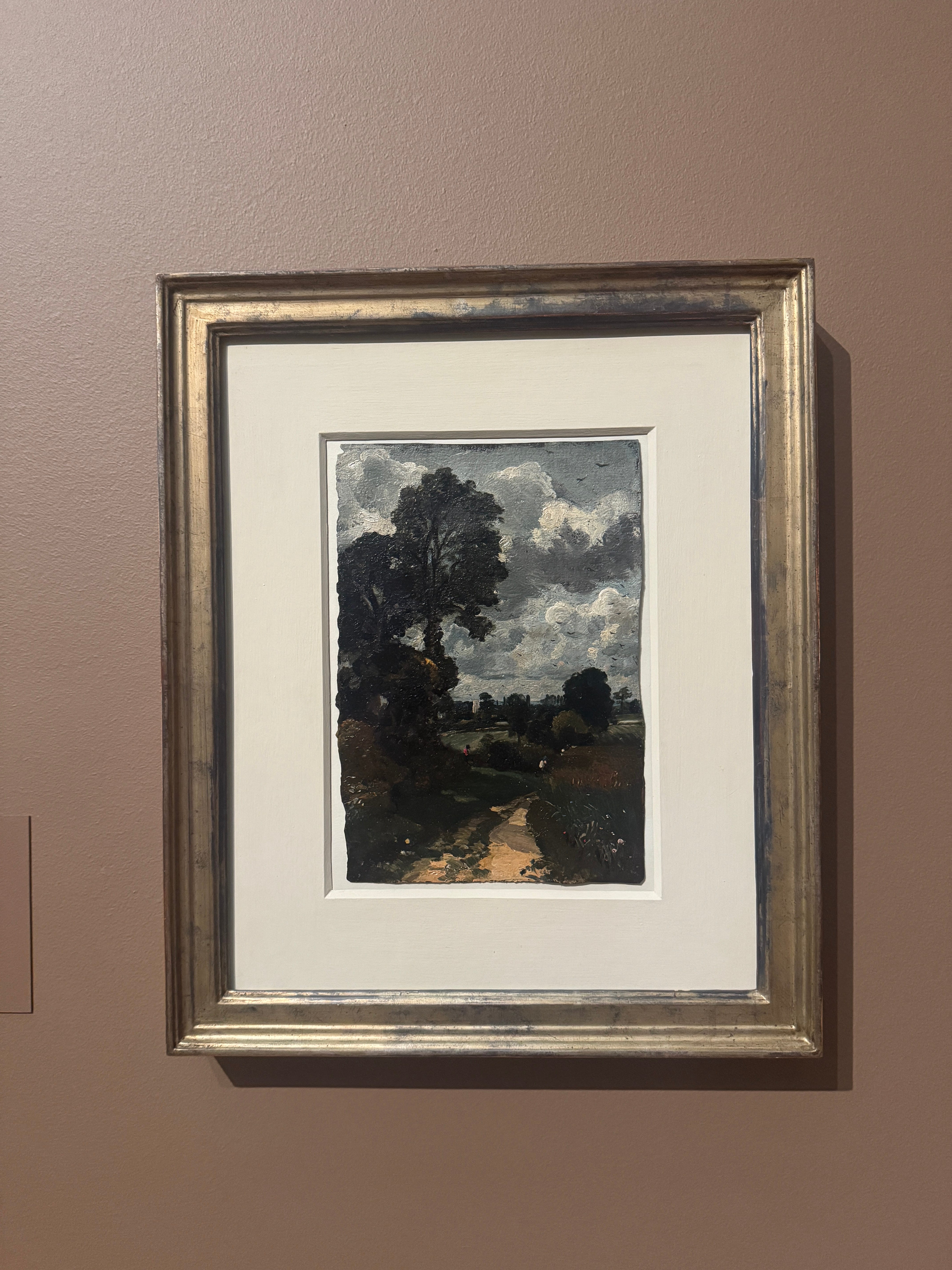
And when he switches to 9:15, it’s like a contemporary Instagram Story by @samyoukilis or @paoloabate or @giulianardi .
In another room, Turner, alive to the lasting power of the golden hour, paints everything with a deep yellow wash. It’s a sepia filter straight out of Instagram presets that critics parodied at the time and still feels sickly.
But viewed through the lens of photo presets, Constable’s big canvases start to make sense, too. He starts to add white flecks to his paintwork, what contemporary critics called “snow”. It’s like he over upped the sharpness and highlights slides to exaggerate a photo grain before pressing upload.
Encountering these amateur photoedit techniques in analogue painting, laboriously created by two such well-renowned artists, provokes a funny feeling.
If these images were shared with us today, we’d say Constable and Turner had spent too much time with the presets. But viewing the effortful brushwork, I felt great admiration for these first movers in their experimental attempts to understand and manipulate light.
For as they became older, and more confident in their painting, Constable and Turner appear less concerned with faithfully rendering a landscape, and more interested in its emotional heft, and the technical challenges of light. These radical, at times exaggerated new techniques, are developed so that we might see and understand these feelings, too.
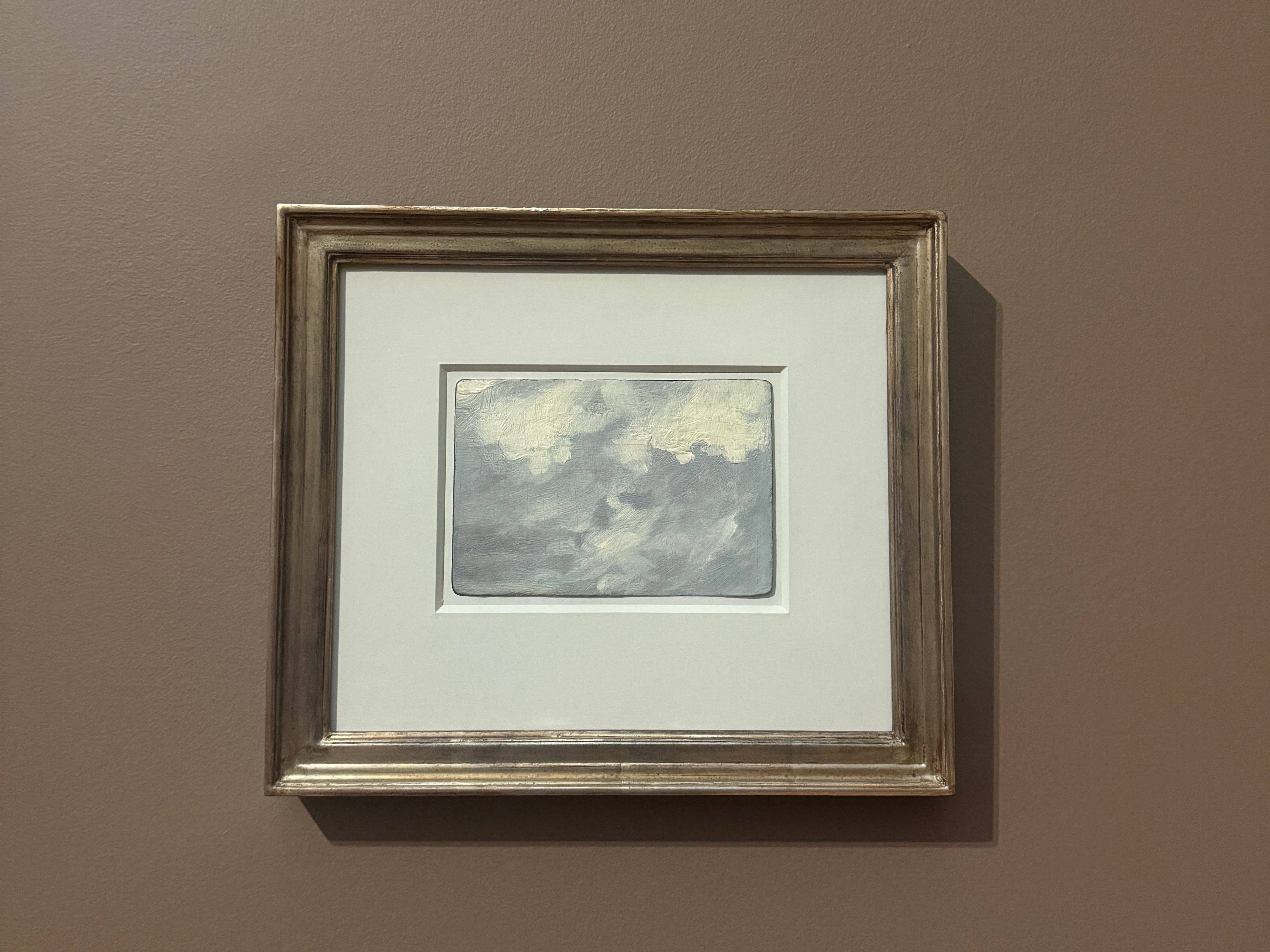
And although Tate Britain pits these painters against each other for the drama of the show, its true strength did not come from the rehash of a rivalry. Instead, in our AI era of infinite mechanical image production, the cumulative effect is a strong case in favour of paint.
Instead of weighing up one artist against the other in some weird genius-off, I wish the audiences of this sold-out show were instead asked to compare the artworks with images made by the phones in their hands. Such an exercise might prompt us to put these phones down and instead imagine new ways to communicate the feeling of living in this world.
Maybe it would inspire us to sit outside once again with the bees and the bugs, to paint what we see and how we feel about it, to scratch and smear at canvas, in the clouds and sunshine, like these two greats. Maybe!
*
I write weekly on substack and am always open to further conversation about the topics I cover and the ideas within. Hit reply and you should reach me.
Did someone forward this to you? Did you enjoy it? Hit subscribe to sign up. It’s free!